The Great Lakes region is getting ready for a storm that could become a dangerous1 bomb cyclone. This storm could cause violent and far-reaching impacts1.
Meteorologists say a bomb cyclone is a storm that quickly gets stronger. It drops at least 24 millibars of pressure in less than 24 hours1. As it moves east, it will bring heavy rain, snow, and strong winds to the Northeast. This could affect millions of people2.
Key Takeaways
- A bomb cyclone is a rapidly intensifying storm with a significant drop in pressure
- The Northeast is bracing for a potentially dangerous bomb cyclone weather system
- The storm is expected to bring heavy rainfall, possible snow, and high winds to the region
- The storm has the potential to impact millions of people and alleviate ongoing drought conditions
- Residents should stay informed and prepare for potential power outages and disruptions
Understanding Bomb Cyclone Formation and Characteristics
Bomb cyclones are intense storms that can cause severe weather. They are known for a quick drop in pressure of at least 24 millibars in 24 hours3. These storms form over the ocean when warm and cold fronts meet, pushing warm air up and creating a strong low-pressure system4.
Meteorologists watch bomb cyclones closely, mainly in winter3. These storms can bring heavy snow, strong winds, and coastal flooding. They also cause rapid temperature changes, severe wind chill, and risks of freeze-burn and hypothermia3.
Definition of Bombogenesis and Pressure Drops
A ‘bomb cyclone’ happens when a storm gets much stronger in 24 hours4. To be called a ‘bomb,’ the storm’s pressure must drop by at least 24 millibars in that time4. The next bomb cyclone will see a pressure drop of almost 70 millibars, like a Category 4 hurricane4.
Midlatitude Storm Development Patterns
Every year, 40 to 50 ‘bomb cyclones’ form worldwide, mostly over the ocean4. The US East Coast gets one bomb cyclone a year, usually in winter4. Places like Oregon, Washington, and northern California are warned about hurricane-force winds, flooding, and snow4.
Meteorological Indicators of Bomb Cyclones
Bomb cyclones are marked by a pressure drop of at least 1 millibar per hour for 24 hours5. They are most common from December to early March, with more in the cold season5. The cold and strong winds can make wind chills dangerous, increasing frostbite risk5.
Traveling during a bomb cyclone is very dangerous due to snow, poor visibility, and flight cancellations5. The storms can also cause flooding and sharp temperature drops along the frontal boundary5.
Knowing the risks of bomb cyclones helps communities prepare3. Stay updated on weather, stock up on supplies, and protect your home5. If there’s a power outage, use generators safely and have a backup heat source without an open flame5.
Current Storm System Moving Towards Northeast
A big weather system is forming over the Great Lakes and will move east starting Wednesday night6. This storm is part of a larger weather pattern that has brought heavy rain to the central U.S6.. The Northeast can expect a lot of rain, with some areas getting 1 to 2 inches over several days6.
There’s also a chance of snow in western Pennsylvania and Upstate New York. Meteorologists say 3 to 6 inches of snow could fall in high places6.
The National Weather Service (NWS) warns of a strong low-pressure system in the north-central U.S6.. This system is causing strong winds in Nebraska, eastern Montana, and the Dakotas, with gusts up to 65 mph6. In North Dakota and northwest Minnesota, snow may fall with these winds, with a high chance of 6 or more inches of snow6.
The Northeast is also facing drought, with 96 percent of the area dry or experiencing drought6. Cities like Philadelphia, Newark, and Trenton in New Jersey haven’t seen rain in five to six weeks until recently6. The storm could help, but it’s unclear if it will end the drought6.
| Region | Recent Rainfall | Projected Snowfall |
|---|---|---|
| Northern West Virginia, parts of western Pennsylvania, and southern Maryland | Up to 2 inches | – |
| Western Pennsylvania, Upstate New York | – | 3 to 6 inches in higher elevations |
| North Dakota and northwest Minnesota | – | 6 or more inches |
| West Virginia and western Maryland | – | Up to a foot in higher-elevation regions |
As we watch the storm system move towards the Northeast, it’s important to keep an eye on its progress and strength6. The mix of heavy rain, snow, and drought could lead to big weather challenges in the coming days6.
Bomb Cyclone Weather Forecast: Timeline and Predictions
The Northeast is getting ready for a strong storm. The forecast shows when and how severe the storm will be7. It’s set to hit by Thursday morning, bringing rain along the Interstate 95 corridor. Some places might see up to 2 inches of rain, which is a lot since many cities haven’t seen that much in three months7.
Expected Rainfall and Snow Accumulation
Coastal areas will likely get a lot of rain. But western Pennsylvania and Upstate New York might see a lot of snow7. Meteorologists are watching the storm closely to predict how much snow these areas will get.
Wind Speed Projections
The storm will also bring strong winds to the Northeast8. Winds could be as strong as a hurricane, causing power outages and damage8. People are advised to get ready for possible long power cuts and protect their homes and businesses.
Duration of Storm Impact
The storm’s effects could last for days, starting a period of stormy weather7. Authorities are telling everyone to stay alert and keep up with weather updates as things change8.
“This storm has the potential to bring significant disruption to the Northeast, and we’re urging everyone to take the necessary precautions to stay safe,” said the National Weather Service spokesperson.
Unprecedented Drought Conditions in Northeast
The Northeast region of the United States is facing a severe drought. Many towns and cities are seeing their driest fall on record. This is a big concern for weather emergency planning and winter storm preparedness9.
Philadelphia and Hartford, Connecticut, have had their driest falls ever9. New York City hasn’t seen a quarter-inch of rain since September 29th. Philadelphia’s dry streak started on September 7th10. The whole state of New Jersey is in a drought, with the south in “Extreme” drought for the first time in 22 years9.
This drought has led to water conservation requests and higher fire risks. It shows the need for quick action in weather emergency planning and preparedness.
The drought in the Northeast is part of a bigger issue: climate change11. The Arctic has warmed twice as fast as the rest of the world. This has caused big drops in sea ice, snow, and glaciers11.
These Arctic changes have weakened the polar jet stream. This makes extreme winter weather more likely on the East Coast11.
Now, it’s key for everyone to focus on weather emergency planning and winter storm preparedness9. By being proactive and keeping up with weather changes, the Northeast can lessen the effects of these extreme conditions. This will help keep communities safe and resilient.
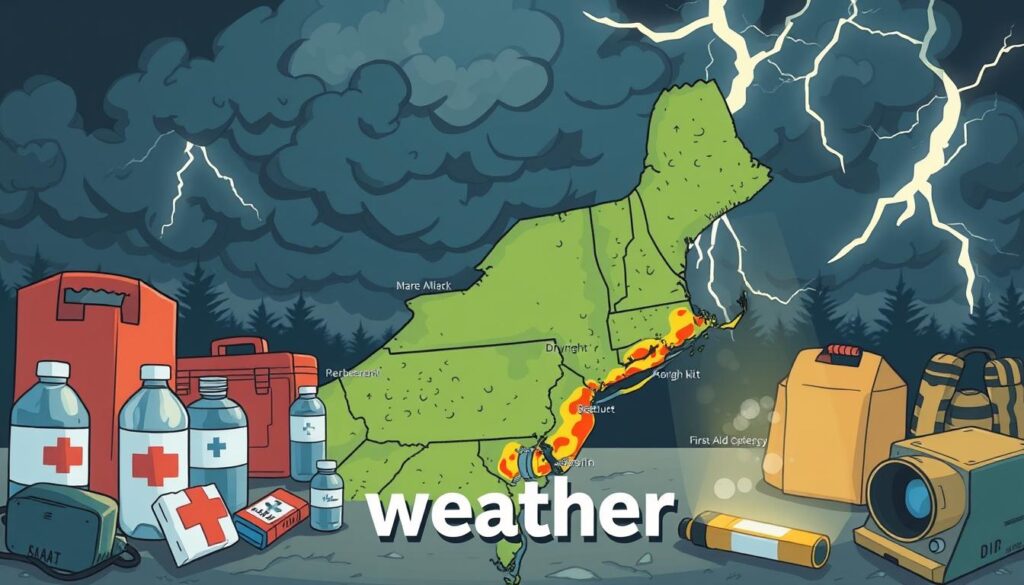
Potential Impact on New York City and Surrounding Areas
The dangerous bomb cyclone weather system is heading towards the Northeast. New York City and nearby areas are getting ready for the storm12. Up to 8 inches of rain could hit, testing the city’s infrastructure12.
Emergency teams are ready for flooding, power outages, and other storm problems. These could affect millions of people’s daily lives.
Urban Infrastructure Concerns
The Northeast has seen a lot of water after a drought. This is a big problem for the old infrastructure12. Drainage and sewers, already under stress from climate change, might not handle the rain well.
This could cause flooding in low places and make waterways overflow.
Transportation System Preparations
The storm could also mess up the transportation network13. Over 4,600 flights were canceled by 3 pm, with more on Thursday. This is bad news for holiday travelers at airports13.
Transit teams are working hard to keep commuters safe. They expect problems with buses, subways, and trains.
Emergency Response Measures
New York City Mayor Eric Adams has raised the city’s Drought Watch to a Drought Warning13. This is because of the storm. Over 1.5 million homes lost power, from Texas to Maine13.
Emergency teams are getting ready for flooding, power outages, and other issues. They want to keep everyone safe.
The Northeast is getting ready for this strong storm. New York City and nearby areas are worried. Being prepared and taking action early is key to lessening the storm’s impact.
Coastal Flooding Risks and Storm Surge Warnings
As a powerful storm system heads towards the Northeast, coastal areas are at high risk of flooding and storm surge14. Heavy rain, strong winds, and high water levels could cause flooding in low-lying areas. People living by the sea need to be ready for evacuations if things get worse15.
A Flood Watch has been issued for the Coastal North Bay, Marin Coastal Range, and other areas15. Weather experts say the North Bay could see 3 to 7 inches of rain by Sunday. The far North Bay coastal ranges might get up to 11 inches15. Also, a Wind Advisory warns of southerly winds of 20 to 30 mph and gusts up to 45 mph15.
Coastal flooding and storm surge are major worries during this storm16. The low-pressure system off the B.C. coast might see its central pressure drop to 942 mb by Tuesday evening. This could make the storm even more powerful16. Storm surge flooding might hit places like Victoria and Campbell River, due to high tides and winds16.
Coastal residents should watch the weather closely, follow evacuation orders, and protect their homes. Being informed and ready is key during this dangerous weather event.
Hurricane-Force Winds and Property Protection Measures
As a powerful storm system heads towards the Northeast, people need to get ready for hurricane-force winds. These winds can be very dangerous, reaching speeds over 74 mph. They can harm property and put people’s lives at risk17.
Wind Speed Categories
Wind speeds are grouped based on how much damage they can cause. The Saffir-Simpson Hurricane Wind Scale helps us understand this. It ranges from Category 1 (74-95 mph) to Category 5 (157 mph or higher)17.
Safety Guidelines for High-Wind Conditions
- Stay indoors in an interior room on the lowest floor of a sturdy building.
- Avoid cars and mobile homes, which can be easily compromised by high winds.
- Secure loose outdoor objects that could become projectiles, such as patio furniture, trash cans, and decorations.
By following these guidelines, you can reduce the risk of injury and damage to your property during the storm17.
“The last widespread, damaging wind storm in Western Washington was the Hanukkah Eve Wind Storm of December 2006, with peak winds near the coast reaching 145 mph and over 1.5 million people experiencing power outages for more than a week.”17
As the Northeast prepares for this storm, it’s important for residents to take action. Understanding wind speed categories and following safety tips can help protect your property and keep you safe. This way, you can prepare for the storm’s strong winds17.
Impact on Regional Drought and Wildfire Situations
The severe storm prediction for the Northeast could greatly affect the region’s drought and wildfires. The storm might bring relief, but it also brings risks. Emergency planning is key to address these risks.
Firefighters in New Jersey, New York, and Massachusetts have been fighting many wildfires. The Big Rusty Fire in Hainesport, New Jersey, and the Jennings Creek Fire on the New Jersey-New York border are examples18. The storm’s rain could help put out these fires. But, the sudden rain on dry ground might cause flash flooding and erosion, making things harder for emergency responders.
The Northeast is facing severe drought, with some areas being the driest in decades18. The storm could bring much-needed rain, helping to ease the drought and reduce wildfire risk. But, how intense and long the storm is will affect the water resources and wildfire efforts.
Meteorologists and emergency teams are watching the storm closely19. They need accurate predictions and good planning to keep people safe and protect the environment.
| Potential Storm Impacts | Forecasted Conditions |
|---|---|
| Rainfall | Potential for 10-20 inches of rainfall in certain areas19 |
| Snow Accumulation | Mountain regions could receive up to a foot of snow, with higher elevations expecting as much as 3 feet19 |
| Wind Speeds | Expected gusts of up to 75 mph in high-elevation areas of Northern California19 |
| Flooding Potential | Widespread flash floods, hazardous travel, power outages, and tree damage expected as the storm intensifies19 |
As the storm approaches, emergency planners and weather experts are working hard. They aim to keep communities safe and prepared in the Northeast. The storm’s effect on drought and wildfires will be a big part of the response and recovery.
“Accurate severe storm prediction and proactive weather emergency planning will be essential in ensuring the safety of residents and minimizing the environmental impact of the storm.”
By watching the storm closely and taking early action, the Northeast can face the challenges of severe weather and environmental concerns1819.
Weather Emergency Planning and Public Safety Measures
As the dangerous bomb cyclone approaches, it’s crucial for residents to be prepared and heed the guidance of local authorities. The first step is to assemble an emergency kit with essential supplies20. Schools should conduct semi-annual drills for emergency preparedness. It’s also advised to have a designated “Severe Weather Coordinator” to develop and implement severe weather emergency plans20.
Emergency Kit Essentials
- Non-perishable food and water
- Batteries and flashlights
- First-aid supplies
- Medications
- Blankets and warm clothing
- Portable phone chargers
- Essential documents
Preparing an emergency kit can help ensure you and your family have the necessary supplies to weather the storm safely.
Evacuation Routes and Protocols
Familiarizing yourself with local evacuation routes and protocols is crucial21. Stay off roads after a winter storm to allow plowing operations to proceed smoothly. Avoid parking too close to corners to ensure public safety vehicles and plows can maneuver safely21. Local authorities may issue road closures, adjust public transportation, and open emergency shelters as needed. Stay tuned to official sources for the latest updates and instructions.
Preparing for extreme weather events like the impending bomb cyclone is essential for the safety and well-being of the community. By taking proactive steps and following the guidance of local authorities, we can weather the storm and emerge stronger.
“Being prepared for emergencies is a critical part of protecting our communities and ensuring public safety.”
Latest Weather Advisory Alerts and Updates
A powerful storm, called a “bomb cyclone,” is heading towards the Northeast. The National Weather Service and local offices are sending out weather advisory alerts and updates. This is to keep everyone informed22.
The storm will bring strong winds and heavy snow to Washington, Oregon, and Idaho. Northern California will face a strong storm with dangerous rain and flooding22.
A “bomb cyclone” is a storm that drops atmospheric pressure by 24 millibars in 24 hours or less, says the National Oceanic and Atmospheric Administration23. The current storm will drop from 981 millibars to 946 millibars in 12 hours. This meets the “bomb cyclone” criteria22.
People in the storm’s path should watch weather advisory alerts on official channels and local news. The NWS Seattle and Oregon State Fire Marshal have warned residents to prepare22.
The Weather Prediction Center warns of excessive rainfall from Tuesday to Friday in northern California and the Pacific Northwest23. The northern California coast could get 10-15 inches of rain in 48 hours. Mountain areas might see 2-3 inches of snow per hour, with several feet at high elevations22.
Wind gusts could reach 60 mph, causing downed trees, power outages, and damaging surf22. Everyone should stay alert and follow safety tips during this extreme weather22.
“Bomb cyclones can happen in several parts of the world’s oceans, including the Northwest Pacific and North Atlantic. Major weather events associated with bomb cyclones have occurred in recent years, such as Hurricane Milton, a bomb cyclone that made landfall in Florida last month as a Category 3 hurricane.”23
As the storm gets closer, it’s key for people in the area to stay informed and ready. By watching weather advisory alerts and extreme weather alerts, they can protect themselves and their homes22.
Meteorological Tracking and Storm Progression
As this powerful storm system gets closer to the Northeast, meteorologists are watching it closely. They use advanced weather modeling to predict its path and strength. This helps emergency teams and the public get ready24.
The storm might get stronger as it comes closer, possibly becoming a bomb cyclone. Weather experts are studying wind speeds, pressure drops, and other signs closely24. They keep a close eye on the storm to help communities prepare and respond quickly25.
Using advanced weather modeling, I can track the storm’s progress and share updates. This helps with emergency planning and keeping people safe26. It’s important to stay alert and ready as this storm system gets closer to the Northeast24.
FAQ
What is a bomb cyclone and how does it form?
A bomb cyclone, also known as bombogenesis, is when a storm in the mid-latitudes gets much stronger. It happens when the pressure drops by at least 24 millibars in 24 hours. This pulls air into the storm’s center, making it stronger.
What is the current weather forecast for the Northeast region?
A big storm is forming over the Great Lakes and will move east. It might become a bomb cyclone in the Northeast. The storm could bring heavy rain, snow, and strong winds.
What are the expected impacts of the incoming storm?
The storm will likely cause a lot of rain, with some places getting 1 to 2 inches over a few days. Snow might fall in western Pennsylvania and Upstate New York. Coastal areas could see flooding and storm surge from the rain and winds.
How long is the storm system expected to impact the region?
The storm will affect the area for several days. It might start a period of stormy weather in the Northeast.
How do the current drought conditions in the Northeast factor into the storm’s impact?
Many places in the Northeast are very dry, with the driest fall on record. This has led to water conservation and fire risks. The storm could help with the drought, but it might also cause problems with water and transportation.
What preparations are being made for the storm in New York City and surrounding areas?
New York City Mayor Eric Adams has raised the Drought Watch to a Drought Warning. He’s asking people to save water. Emergency teams are getting ready for flooding, power outages, and other storm problems.
What safety precautions should residents take for the high-wind conditions?
When it’s windy, stay inside in a safe room on the lowest floor. Avoid cars and mobile homes. Also, tie down outdoor items that could fly away.
How are meteorologists tracking and monitoring the storm’s progression?
Meteorologists are watching the storm closely with advanced models. They’re predicting its path, strength, and effects. Their work helps with emergency plans and responses.
Source Links
- https://www.yahoo.com/news/bomb-cyclone-know-terrifying-weather-204045997.html
- https://www.foxweather.com/weather-news/daily-weather-update-november-19-2024
- https://blackstarnews.com/what-is-a-bomb-cyclone/
- https://www.dailymail.co.uk/sciencetech/article-14102025/what-bomb-cyclone-urgent-warning-washington-oregon-california.html
- https://www.cbsnews.com/news/what-is-bomb-cyclone-winter-storm-weather-explained/
- https://www.newsweek.com/major-storm-hit-northeast-us-this-week-snow-wind-waves-1988233
- https://www.independent.co.uk/news/world/americas/bomb-cyclone-west-coast-what-when-weather-b2650023.html
- https://www.wral.com/story/what-is-a-bomb-cyclone-the-weather-term-back-in-the-spotlight-as-west-coast-prepares-for-a-storm/21729570/
- https://www.yahoo.com/news/rain-snow-fronts-expected-during-073646721.html
- https://wobm.com/is-new-jersey-facing-a-snow-drought-this-winter/
- https://www.newyorker.com/tech/annals-of-technology/bomb-cyclones-noreasters-and-the-messy-relationship-between-weather-and-climate
- https://abc11.com/post/bomb-cyclone-bring-heavy-rain-northern-california-pacific-northwest/15559535/
- https://www.theguardian.com/us-news/2022/dec/22/arctic-blast-us-weather-holiday-travel
- https://www.independent.co.uk/news/world/americas/bomb-cyclone-snow-winds-map-path-b2649065.html
- https://www.cbsnews.com/sanfrancisco/news/bomb-cyclone-atmospheric-river-california-bay-area/
- https://www.theweathernetwork.com/en/news/weather/forecasts/deep-intensifying-bomb-cyclone-likely-to-give-bc-a-disruptive-wallop-british-columbia-tyler-hamilton
- https://mynorthwest.com/4011204/what-a-bomb-cyclone-is-the-weather-term-is-back-in-the-spotlight/
- https://www.campaigncc.org/headlines_from_a_warming_world
- https://www.themirror.com/news/us-news/3-states-brace-bomb-cyclone-813295
- https://www.weather.gov/media/grr/brochures/swep.pdf
- https://www.gfcmsu.edu/emergency/hazards/weather.html
- https://www.npr.org/2024/11/19/nx-s1-5196244/bomb-cyclone-pacific-northwest
- https://localnews8.com/news/2024/11/19/what-is-a-bomb-cyclone-the-weather-term-back-in-the-spotlight-as-west-coast-prepares-for-a-storm/
- https://www.severe-weather.eu/global-weather/live-tracking-storm-ashley-impact-ireland-and-scotland-mk/
- https://journals.ametsoc.org/view/journals/apme/55/5/jamc-d-15-0245.1.xml
- https://centaur.reading.ac.uk/89951/25/jclid190928.pdf