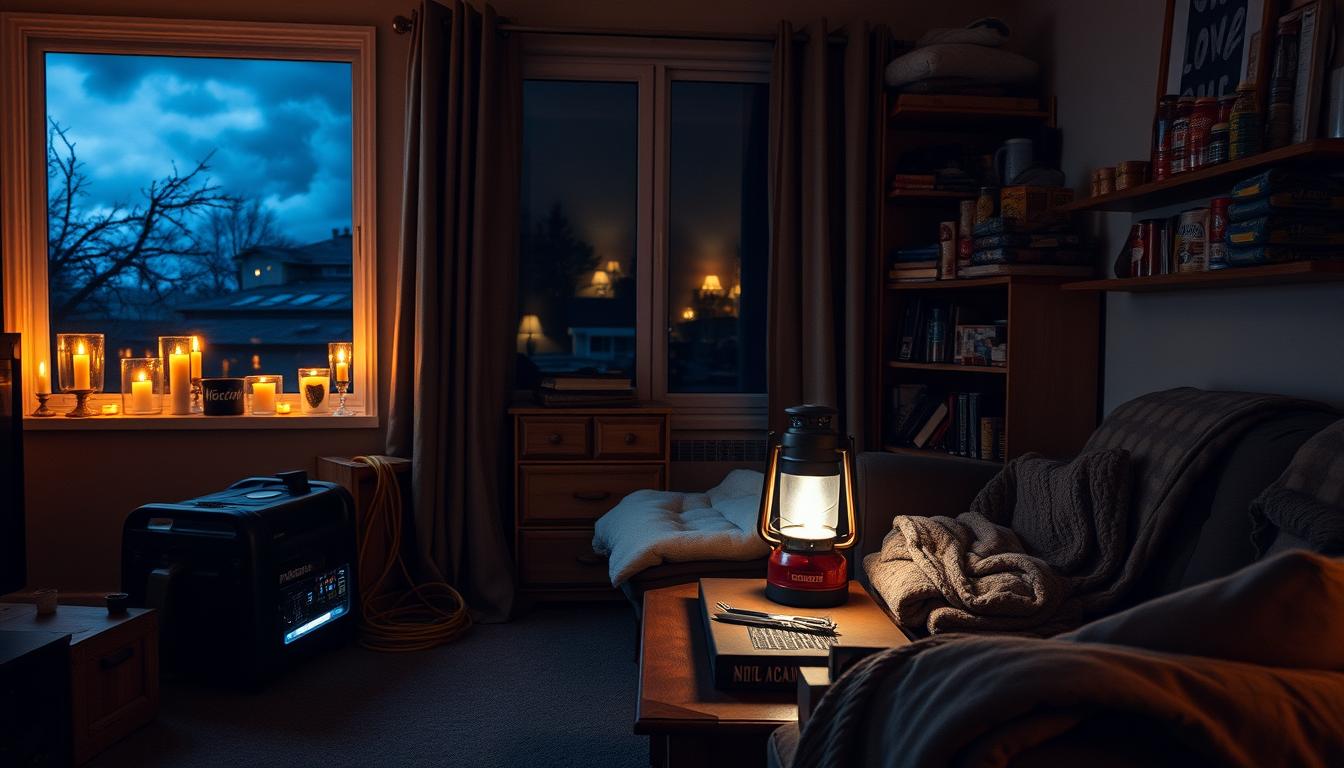
In the United States, power outages have jumped by 67% in the last 20 years. This has left millions of homes without electricity for hours or even days. It’s vital to prepare for these unexpected blackouts to keep your family safe and comfortable. This guide will help you get ready for power outages with confidence.
Key Takeaways
- Power outages have become more frequent in the US, affecting millions of households.
- Developing an emergency power outage plan is crucial for protecting your family.
- Gathering essential supplies and understanding different types of outages can help you stay prepared.
- Implementing safety measures and alternative power sources can ensure your home is ready for blackouts.
- Monitoring weather conditions and maintaining communication are vital during power disruptions.
Understanding Power Outages and Their Common Causes
Power outages can be really frustrating. They leave us without our essential devices and services. It’s important to know why they happen. From natural disasters to infrastructure problems, the reasons vary a lot.
Natural Disasters vs. Infrastructure Issues
Natural disasters like storms and floods often cause power outages. They can damage power lines and other important electrical systems. This leads to blackouts for many people.
On the other hand, problems with the infrastructure can also cause power outages. This includes equipment failures or when the grid gets too busy.
Seasonal Power Outage Patterns
Power outages often happen more in certain seasons. In cold winters, snow and ice can damage power lines. This can cause outages that last for days.
In the summer, heat waves can make the electrical grid too busy. This can lead to rolling blackouts or long power failures.
Duration Types and Impact Levels
Power outages can last from just a few seconds to days. The length and effect of an outage can be big. Short outages might just be annoying, but long ones can be serious.
They can disrupt important services, make things unsafe, and cost a lot of money. Knowing about power outages helps us prepare for storms and disasters. This way, we can handle the challenges they bring.
Essential Items for Your Power Outage Survival Kit
When a power outage hits, having the right supplies can be a lifesaver. Creating a detailed outage survival kit is key to getting through a blackout.
Your kit should include emergency lighting like flashlights, lanterns, or glow sticks. These will light up your space and help you move safely in the dark. Make sure to have extra batteries to keep your lights on.
It’s also important to have nonperishable food and water. Stock up on canned goods, protein bars, and bottled water. This will keep you fed and hydrated. Remember to check your supplies often to keep them fresh.
A good first aid kit is a must for your kit. Include bandages, antiseptic wipes, medications, and other medical items. This will help with minor injuries or health issues.
Don’t forget to add communication tools like a battery-powered radio and a charged power bank for your phone. These will keep you informed and connected during the blackout.
By putting together a well-thought-out outage survival kit, you’ll be ready for any power outage. You’ll face it with confidence and resilience.
How to Prepare for Power Outage: Step-by-Step Guide
Preparing for a power outage can help keep your family safe and reduce disruption. Follow this guide to prepare before, during, and after a blackout.
Before the Outage Preparations
First, list the essential appliances and devices you’ll need during an outage. Get backup batteries, flashlights, and a portable power bank for your phone. Also, have a well-stocked emergency kit with food, water, and first-aid supplies.
During the Blackout Actions
- Unplug major appliances and electronics to prevent damage from power surges when the electricity is restored.
- Conserve your phone’s battery by limiting its use and turning on power-saving mode.
- Avoid opening the refrigerator and freezer doors to keep food fresh for as long as possible.
- Use candles or battery-powered lights for illumination, but be cautious of fire hazards.
Post-Outage Recovery Steps
- Check your food supplies and discard any spoiled items.
- Gradually power on your appliances and electronics to avoid overloading the system.
- Replenish your emergency kit and ensure it’s ready for the next power outage.
By following these how to prepare for power outage and blackout preparedness steps, you can better handle power outages. This will help minimize their impact on your daily life.
Emergency Power Supply Options and Solutions
Having an emergency power supply can save your life during a power outage. Whether you live off-grid or just want to be ready for anything, there are many ways to keep power flowing. This helps you stay connected and comfortable when the lights go out.
Portable Generators: Reliable Backup
Portable generators are a top pick for emergency power. They can power important appliances and devices, keeping you connected during outages. Choose ones that use fuel well and are easy to use. They work great for both home and off-grid living.
Solar Power Systems: Sustainable Solutions
Solar power systems are a green way to get emergency power. They include solar panels, batteries, and inverters. These systems give you clean, renewable energy for your home or to charge devices. They’re perfect for off-grid living, letting you make your own electricity.
Battery Backup: Compact and Convenient
Battery backup systems, like UPS and portable power banks, are another good choice. They offer quick power to important electronics. This keeps your devices charged and connected during blackouts.
Preparing for power outages means having a reliable emergency power supply. Look into portable generators, solar power systems, and battery backups. This way, you’ll always have power to keep your home or off-grid living space running smoothly.
“Preparedness is the key to navigating power outages with confidence and comfort.”
Food Storage and Preservation During Blackouts
Power outages can make food storage and preservation tough. It’s important to prepare well to keep your food safe. Here are some tips for managing food during blackouts.
Perishables Management
When the power goes out, you have to act fast with perishables like meat, dairy, and produce. Keep fridge and freezer doors closed to keep things cool. Use ice packs or a portable cooler for perishables if the outage lasts more than a few hours.
Non-Perishable Food Lists
- Canned goods (vegetables, fruits, beans, soups, meats)
- Dried foods (pasta, rice, oats, granola, nuts)
- Shelf-stable dairy (powdered milk, UHT milk, cheese)
- Crackers, chips, and other snacks
- Peanut butter, jam, and other spreads
- Bottled water and juices
Safe Food Temperature Guidelines
| Food Item | Safe Temperature Range |
|---|---|
| Refrigerated Foods | 40°F (4°C) or below |
| Frozen Foods | 0°F (-18°C) or below |
| Cooked Food | 140°F (60°C) or above |
By following these tips and stocking up on non-perishable food storage items, you can keep your family fed during a blackout readiness situation.
Water Storage and Sanitation Planning
Having clean water is key when the power goes out. Knowing how to store and keep water clean is vital. It helps when regular water sources are not available. It’s important to plan for water storage and keep hygiene up during blackouts.
Storing Water for Emergencies
Store at least 1 gallon of water per person per day for 3 days. This is for drinking, cooking, and basic hygiene. Use strong plastic or food-grade barrels for your water. Rotate the water and keep it in a cool, dark spot to avoid bacteria.
Purifying Water During Power Outages
If your water source is contaminated, you need to purify it. Boiling water kills harmful bacteria. You can also use tablets or a portable filter. Always follow the instructions and discard water with strange colors, smells, or tastes.
Maintaining Hygiene
Good hygiene is key during power outages to avoid getting sick. Keep hand sanitizer, wipes, and paper towels on hand. Use waterless products like wipes or dry shampoo if water is scarce. Wash your hands well and avoid touching dirty surfaces.
Preparing for water storage and sanitation during outages keeps your family safe. A good water supply and hygiene practices are essential for a solid disaster plan.
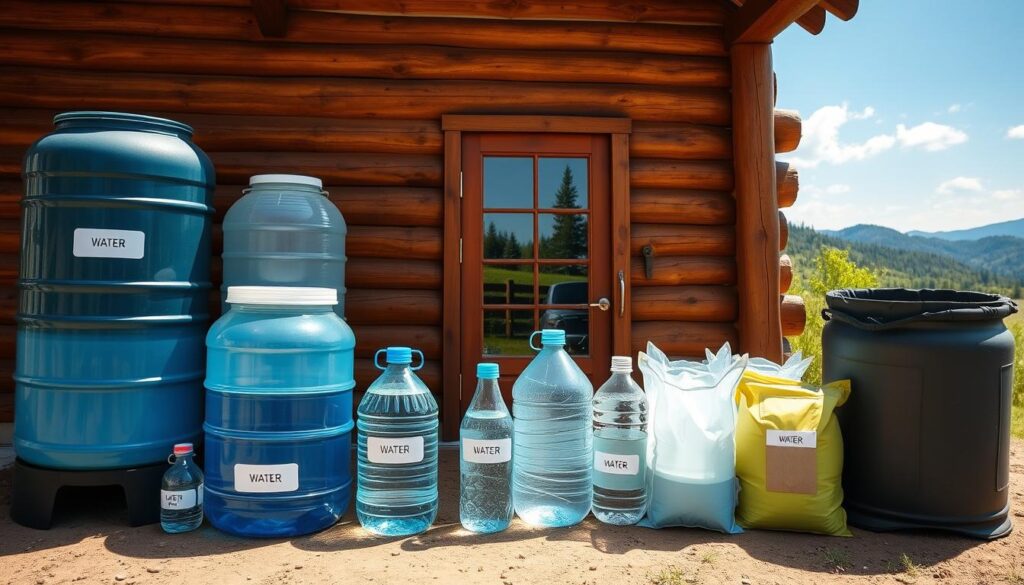
| Water Storage Tips | Purification Methods | Hygiene Essentials |
|---|---|---|
|
|
|
“Proper water storage and sanitation planning can mean the difference between life and death during a power outage.”
Emergency Lighting Solutions and Safety Tips
When the power goes out, having good emergency lighting is key. It keeps you safe and helps you move around in the dark. There are many options, like battery and solar-powered lights, to help you get ready for blackouts.
Battery-Powered Options
Flashlights and lanterns that run on batteries are popular choices. They light up your space for hours, perfect for when the power is out. Look for ones with long-lasting batteries and strong builds.
Solar-Powered Alternatives
Solar-powered lights are a green and smart pick. They charge up during the day and light up your space at night. These lights work indoors and outdoors, making them great for emergencies.
Safe Candle Usage Guidelines
- Never leave a burning candle unattended.
- Keep candles away from flammable materials, such as curtains, books, and furniture.
- Ensure candles are placed on stable, heat-resistant surfaces.
- Avoid using candles near windows or in drafty areas, as they can easily tip over.
- Keep a fire extinguisher nearby in case of an emergency.
Candles can make a room cozy when the power is out. But, it’s important to be careful to avoid fires. Knowing about different lights and following safety tips can keep your home safe and bright during a blackout.
Maintaining Communication During Outages
When the power goes out, staying connected is key. Whether it’s a natural disaster or infrastructure issues, good communication is vital. Let’s look at the best ways to stay in touch during power outages.
A battery-powered radio is a top choice. It keeps you updated on the situation and lets you contact emergency services. Choose a durable, long-lasting radio for constant updates.
A solar charger for your devices is also essential. It uses the sun’s energy to power your phone, tablet, or laptop. This way, you can stay in touch and access important resources.
Lastly, having an emergency communication plan is crucial. Pick a meeting spot and a backup contact method for your family. Make sure everyone knows the plan. This keeps you connected and coordinated, even without power.
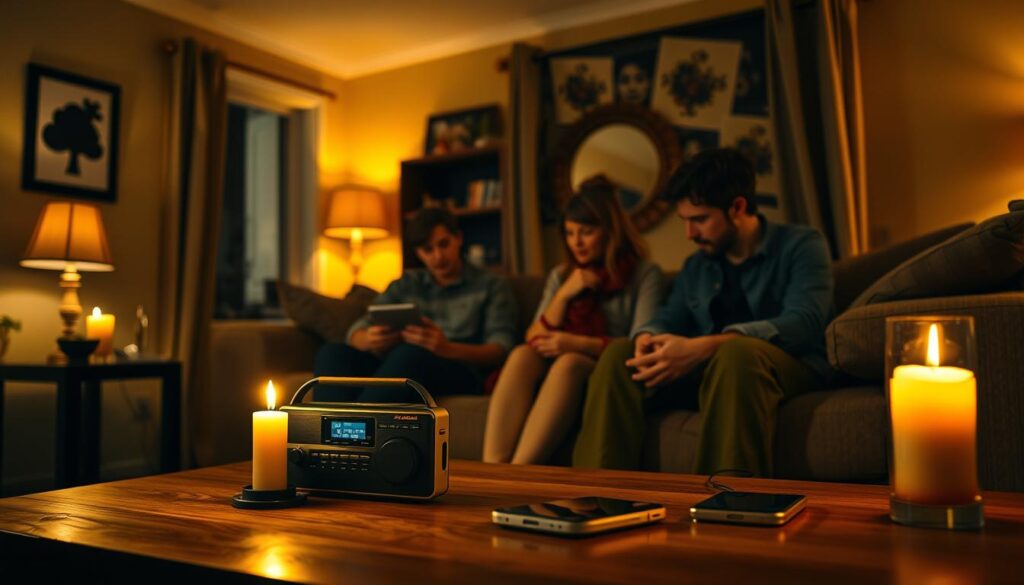
By adding these strategies to your outage survival kit and disaster planning, you’re ready for any situation. Preparation ensures you can stay informed and connected during outages.
Special Considerations for Medical Equipment
Power outages can be tough for people who need medical equipment. It’s important to keep your devices running during these times. Here are key steps to keep your medical needs safe and your health in check when the power is out.
Backup Power for Medical Devices
Getting a good emergency power supply is crucial for medical equipment users. Think about getting a portable power generator or a whole-home backup generator. Also, keep extra batteries for your devices and know how long they last.
Emergency Medical Contact List
- Make a detailed list of emergency contacts, like your doctors, local emergency services, and the power company.
- Make sure this list is easy to find and share with people you trust.
- Check and update the list often to keep it current.
Medication Storage Solutions
Storing medications right is key when the power goes out. You might not have a fridge. Keep coolers and ice packs ready to keep meds cold. Also, write down your medication schedule and doses to keep treatment going without a hitch.
“Preparedness is the key to navigating power outages with medical equipment. By taking proactive steps, you can ensure your healthcare needs are met, even when the lights go out.”
Home Safety and Security Measures
When a power outage hits, keeping your home safe is key. It’s not just about light and warmth. You also need to watch out for burglars and carbon monoxide. It’s important to take steps to protect your home and family during a long blackout.
Protecting Against Burglaries
Power outages can make your home more tempting to burglars. Here are some ways to stay safe:
- Get a backup battery-powered alarm system to keep an eye on your home.
- Lock all doors and windows well, and think about using manual deadbolts.
- Use flashlights or portable LED lamps to keep your home bright.
Preventing Carbon Monoxide Poisoning
Using different ways to heat and cook can lead to carbon monoxide in your home. Here’s how to stay safe:
- Put battery-operated CO detectors everywhere and check their batteries often.
- Don’t use gas stoves, ovens, or portable generators inside, as they can release deadly CO.
- Make sure there’s good air flow if you’re using a fireplace or space heater. Never run a generator inside.
By taking these steps, you can keep your home and family safe during a power outage. This way, you’ll be ready for any blackout.
Weather Monitoring and Storm Preparedness
It’s important to know about weather events and prepare for power outages. Early warning systems and emergency weather radios help me stay safe. They let me watch storm activity and protect my family.
Early Warning Systems
We have many early warning systems today. I check weather forecasts, local news, and emergency alerts often. This keeps me ready for power outages and severe weather.
Emergency Weather Radio Usage
An emergency weather radio is key during outages. It gives updates on weather, alerts, and important messages from authorities. I keep mine charged and ready, so I can stay informed even without power.
Evacuation Planning
I have a plan for severe storms. I know safe places to go, have backup routes, and the right supplies. Being prepared helps me keep my family safe during emergencies.
FAQ
What are the most common causes of power outages?
Power outages can happen for many reasons. Severe storms, hurricanes, and blizzards are common causes. So are problems with the power grid, like equipment failure or overloads. Knowing these causes helps you prepare for blackouts.
What essential items should I have in my power outage survival kit?
Your survival kit should have flashlights, lanterns, or glow sticks for light. Add a battery-powered or hand-cranked radio and a first aid kit. Don’t forget non-perishable food, bottled water, and a manual can opener.
Include a backup power source like a portable generator or power bank. Remember extra batteries, a multi-tool, and a basic tool kit.
How can I prepare my home for a power outage?
Before a blackout, unplug big appliances and electronics. This prevents damage when power comes back. Keep candles, matches, and flashlights ready.
Know where your circuit breakers are. During the outage, save your phone’s battery. Don’t open fridges and freezers too much. And don’t use gas generators indoors to avoid carbon monoxide poisoning.
What are some emergency power supply options for my home?
You have several options for emergency power. Portable generators can power essential appliances. Solar panels and batteries offer sustainable power for long outages.
Each option has its own benefits and things to consider. It’s key to find the best fit for your needs and budget.
How can I properly store and preserve food during a power outage?
Keep your fridge and freezer doors closed to keep food cold. Use coolers with ice packs for perishables. Non-perishable foods like canned goods and dried items are good for emergencies.
Use a food thermometer to check food safety. Be ready to throw away food that’s been too long at unsafe temperatures.
What are the best ways to stay connected and informed during a power outage?
Use a battery-powered or hand-cranked radio for emergency updates. Charge your mobile devices and consider a portable power bank or solar charger. Sign up for emergency alerts from your local authorities.
How can I ensure the safety of my medical equipment and medications during a power outage?
If you need medical equipment, have a backup power source. Keep a list of your equipment and medications, and your healthcare providers’ contact info. Store medications in a cool, dry place.
Be ready to move them to a place with power if needed.
What home safety and security measures should I take during a power outage?
Use battery-powered or solar-powered lights to avoid fires. Lock all doors and windows to keep intruders out. Be careful of carbon monoxide poisoning risks from generators or fuel-powered equipment.
Have a plan to safely turn off gas and electricity if needed.
How can I stay prepared for storms and weather-related power outages?
Watch the weather forecast and follow any warnings or evacuation orders. Have a battery-powered or hand-cranked radio for updates. Make sure you have an emergency kit with essential supplies.
Know the safest room in your home for severe weather. Have a plan for evacuating if necessary.