
Did you know that 90% of rebranding efforts fail because of a mismatch between the company’s image and its culture? In today’s fast-paced business world, having a strong brand identity is key. It’s vital to align your organization’s values with its public image for lasting success. We’ll dive into how to make this connection work, helping you build a strong, value-based culture.
Key Takeaways
- Understand the intersection of brand identity and corporate values for organizational success.
- Discover the strategic importance of cultural alignment in rebranding initiatives.
- Learn how to create a unified brand message and measure alignment success.
- Explore employee engagement as the cornerstone of successful rebranding.
- Develop a brand strategy that seamlessly reflects your corporate culture.
Understanding the Intersection of Brand Identity and Corporate Values
In the fast-paced world of business, brand identity and corporate values are key to success. We’ll look at what makes up brand identity, how corporate values impact success, and how to match what’s seen outside with what’s felt inside.
Key Components of Brand Identity
A brand’s identity is made up of many parts that work together. This includes visual elements like logos and colors, and the way the brand talks and feels. By getting these right, companies can create a strong brand that people remember.
The Role of Corporate Values in Organizational Success
Corporate values are the heart of a company’s culture and decisions. When employees live these values, it boosts morale and aligns actions with the company’s mission. This connection between values and brand identity strengthens the company’s image.
Bridging the Gap Between External and Internal Brand Perception
One big challenge in rebranding is making sure what’s seen outside matches what’s felt inside. By closing this gap, companies can build a brand that truly resonates with everyone. This is done through clear communication, engaging employees, and a brand strategy that ties everything together.
| Brand Identity Components | Impact of Corporate Values | Bridging the Gap |
|---|---|---|
|
|
|
Understanding the link between brand identity and corporate values helps companies create a brand strategy that speaks to their audience and aligns with their culture and rebranding efforts.
“Successful brands are built from the inside out. A strong brand identity must be supported by an equally strong corporate culture and shared values.”
The Strategic Importance of Cultural Alignment in Rebranding
Aligning your company values and brand positioning is key for a successful rebrand. When your culture and brand identity match, it boosts your identity. It also creates a unified, real experience for employees and customers.
At the core of a good rebrand is cultural alignment. By linking your company values and brand positioning, you craft a strong rebranding strategy. This strategy works well in your company and with your audience.
“The most successful rebrands are those that start from the inside out, aligning the company’s culture and values with the new brand identity.”
When your brand inside and out align, your team can spread the brand message well. This leads to a better customer experience. It also makes your brand stronger in the market.
- Make sure your company values show in your brand positioning
- Build a culture that supports and shows the new rebranding strategy
- Let employees play a big role in the rebranding

Putting cultural alignment first in your rebranding can unlock your brand’s full potential. It builds a deep connection with your stakeholders. This approach not only boosts your market position but also makes your team proud and feel like they belong.
How Rebranding and Corporate Culture: Aligning Your Internal Values with Your Ex
Rebranding is more than just a new look. It’s about making sure your inside and outside images match. This means your company’s values and culture should show in how you’re seen by others.
Identifying Core Values During Transition
Start by figuring out your company’s core values. Talk to your team to find out what your brand stands for. These core values will be the base of your new brand and culture.
Creating a Unified Brand Message
Once you know your core values, create a message that everyone can get behind. Make sure your internal communications share these values with your team. This way, they can help spread the word about your brand. Your outside message should also show these values, making your brand seem real and connected.
Measuring Alignment Success
Check how well your inside and outside brands match by using employee engagement surveys and customer feedback. This helps you see if you need to make changes. It ensures your rebranding really works.
Focus on making your internal and external images align. This way, you’ll have a strong, true brand that motivates both your team and customers.
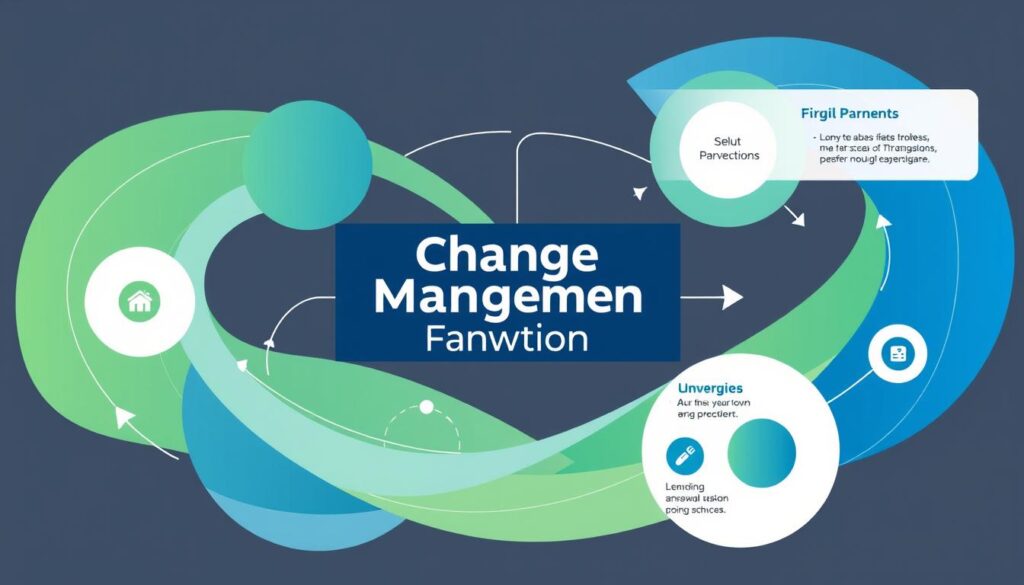
Developing a Change Management Framework for Rebranding
For a successful rebrand, a solid change management plan is key. It helps the new brand fit smoothly into the company. This plan must match the organizational culture.
Our framework focuses on clear communication, getting employees on board, and a detailed plan for change. This approach helps our team feel part of the change. It makes them more likely to support our corporate rebranding effort.
- Establish a Cross-Functional Steering Committee: Gather a team from different areas to lead the change. They should know the company well and make choices that fit the rebranding goals.
- Develop a Comprehensive Communication Plan: Create a plan to share the rebranding with everyone. Use many ways to talk to your team, like meetings and online updates.
- Implement a Phased Rollout Approach: Change things a little at a time. This lets people adjust and gives them a chance to share their thoughts. It also helps everyone feel more involved.
- Provide Targeted Training and Support: Give your team the tools and info they need to get the new brand. Offer training and help to make the change easier and more successful.
- Continuously Monitor and Adjust: Keep track of how well things are going with your plan. Listen to your team and change things as needed to keep things moving forward.
With a strong change management plan, we can handle the challenges of corporate rebranding well. This approach helps our team support the new brand. It makes our organizational culture stronger too.
| Change Management Strategies | Benefits |
|---|---|
| Cross-Functional Steering Committee | Ensures alignment and buy-in across the organization |
| Comprehensive Communication Plan | Promotes transparency and employee engagement |
| Phased Rollout Approach | Mitigates resistance to change and fosters ownership |
| Targeted Training and Support | Empowers employees to embrace the new brand identity |
| Continuous Monitoring and Adjustment | Maintains momentum and drives long-term cultural transformation |
“Successful rebranding is not just about the new logo or tagline; it’s about aligning the internal and external brand to create a cohesive and compelling identity.”
Employee Engagement: The Cornerstone of Successful Rebranding
Rebranding is more than just new logos and ads. It’s about how employees help bring the new brand to life. They are the key to making the new identity work well within the company.
Building Brand Ambassadors
To create brand ambassadors, we need to make employees feel proud and involved. We teach them why we’re changing, what our new values are, and our future plans. This way, they can truly support and promote the brand.
Internal Communication Strategies
- We use strong internal communication to keep everyone updated and excited about the change.
- We use many ways to share news, like town halls, newsletters, and online platforms, to make sure everyone gets the message.
- We listen to feedback and answer questions to build trust and support for the change.
Training and Development Programs
We need to train our employees well to represent the new brand. Our programs should teach them about the new identity, values, and how to focus on customers. This helps them be true and consistent brand ambassadors.

“Engaged employees are the lifeblood of a successful rebranding effort. By empowering them to champion the new identity, we unlock the true potential of our brand transformation.”
By focusing on employee engagement, we set the stage for a smooth and lasting change. Our brand ambassadors, with the right training and motivation, will lead the way in making our new identity a success, both inside and outside the company.
Creating a Brand Strategy That Reflects Corporate Culture
Building a successful brand means aligning it with your company’s core values and culture. Your brand is your company’s public face. It should truly show what your business is all about. We’ll look at how to make a brand strategy that matches your corporate culture.
Key to a brand strategy is using your company’s values in your messaging. Your brand’s words, tone, and style should match your company’s principles. This way, your brand’s identity becomes a story that people can connect with.
Your brand’s look should also mirror your corporate culture. This includes colors, fonts, images, and more. A consistent look helps people recognize your brand and feel a real connection to it.
| Key Considerations | Desired Outcomes |
|---|---|
| Aligning Brand Messaging with Corporate Values | Authentic and Consistent Brand Identity |
| Integrating Visual Identity with Corporate Culture | Compelling and Memorable Brand Experience |
| Ensuring Seamless Execution Across All Touchpoints | Strengthened Brand-Culture Alignment |
Creating a brand strategy that truly reflects your culture can make a big impact. It boosts brand recognition and loyalty. It also makes employees more engaged and proud, helping your business succeed in the long run.
“Your brand is the single most important investment you can make in your business.” – Steve Forbes
Implementing Cultural Transformation During Rebranding
Starting a company culture transformation is a key moment for any rebranding effort. It aligns your internal values with your brand’s image. This creates a true and consistent brand experience for both employees and customers. Yet, this journey comes with its own set of challenges.
Change Management Best Practices
Effective change management is key for a smooth cultural transformation during rebranding. We advise using clear communication, engaging employees, and offering ongoing training. These steps help in a successful transition.
Overcoming Resistance to Change
Resistance to change is a common obstacle in any transformation. To beat this, involve employees in decisions, listen to their concerns, and encourage teamwork and open talk.
Maintaining Momentum
Keeping the cultural transformation momentum going is vital for lasting success. Regularly check and tweak your strategy, celebrate small victories, and always highlight your company’s values and brand message.
By following these best practices, your organization can overcome cultural transformation hurdles. You’ll emerge with a stronger, more unified brand that shows your company’s true values and vision.
“Successful company culture transformation is not just about changing policies and procedures, but about aligning the hearts and minds of your employees with your brand’s purpose and values.”
Measuring the Impact of Cultural Alignment on Brand Success
Organizations aim to match their brand image with their core organizational culture. It’s key to see how this affects their brand success. By linking brand strategy with cultural integration, we gain insights for lasting brand strength.
Employee engagement is a crucial metric. When employees connect deeply with the brand’s values, they become strong brand supporters. This boosts the brand’s image. We track this through employee happiness, how long they stay, and their positive interactions with the brand.
Customer perception is also vital. Regular market research and surveys show if the brand’s message matches its culture. This lets us spot any gaps and adjust our strategy.
| Metric | Description | Importance |
|---|---|---|
| Employee Engagement | Measures the level of employee connection to the brand’s values and mission | Indicates the strength of the brand’s internal culture and its ability to create brand advocates |
| Customer Perception | Assesses how customers perceive the brand’s messaging and delivery | Reveals the alignment between the brand’s promise and its actual performance |
| Brand Reputation | Evaluates the overall public perception and sentiment towards the brand | Provides insights into the long-term sustainability of the brand’s brand perception |
By watching these metrics, companies can spot their strong points and areas to get better. This ensures their brand strategy and organizational culture support each other for lasting brand success.
“Successful rebranding is not just about changing the visual identity; it’s about aligning the internal culture with the external brand promise.”
Internal Communications: Bridging the Gap Between Vision and Reality
Rebranding is more than a new look. It’s about making sure everyone in the company shares the new vision. Good internal communications are key to making this happen.
Communication Channels and Tools
Companies need many ways to share the new brand. This includes town hall meetings, newsletters, intranet updates, and emails. Using both digital and in-person methods helps everyone feel part of the change.
Message Consistency and Frequency
It’s important to keep the message clear and consistent. Employees need to understand the new brand’s values and how they fit with the company’s goals. Regular updates and feedback help make sure everyone gets it.
Good internal communications boost employee engagement. It helps make the brand real and true to everyone inside and outside the company.
“Effective internal communication is the glue that binds an organization’s vision to its reality.”
Building Long-term Brand Resilience Through Cultural Integration
In today’s fast-changing business world, a strong brand is key. It’s about matching your company’s values with how it looks to the outside world. This way, you build a solid base that lasts through ups and downs.
A brand is more than a logo or ad. It’s a living thing that shows what your company stands for. When your inside culture matches your brand, you get a powerful mix. This mix helps keep customers loyal, employees happy, and your brand ready for new challenges.
Cultivating a Culture of Brand Ambassadors
Empowering your team to be brand ambassadors is crucial. Teach them about your brand’s values so they can live and share them. This makes your team proud to represent your company both inside and out.
- Start training programs to teach about your brand’s history, mission, and values.
- Make employees feel proud and involved in brand-building efforts.
- Thank and reward those who show your brand’s values in their work.
Embracing Adaptability and Agility
Being able to change and grow is key in today’s fast world. A culture of adaptability and agility keeps your brand fresh and ready for new things.
- Bring teams together to find new solutions.
- Use feedback to keep improving your brand strategy.
- Let your team try new things and take smart risks.
Building a strong brand takes understanding your values, integrating them into your culture, and being open to change. By matching your inside and outside brand, you build a legacy that lasts with your customers and employees.
| Key Strategies for Building Long-term Brand Resilience | Benefits |
|---|---|
| Cultivate a culture of brand ambassadors | Fosters employee engagement and advocacy |
| Embrace adaptability and agility | Ensures brand relevance and responsiveness to market changes |
| Align internal values with external brand image | Strengthens customer loyalty and brand longevity |
“A strong, resilient brand is not built overnight, but through a steadfast commitment to aligning your internal culture with your external identity.”
Conclusion
We’ve learned how important it is to match internal values with the brand’s image. Understanding brand identity and organizational values shows us the power of cultural alignment. This is key for successful rebranding.
Looking back, we see that a strong brand message and empowered employees are crucial. A good change management plan and clear communication help bridge the gap. This way, companies can build a strong brand that lasts.
Rebranding and corporate culture go hand in hand for success. By aligning these, businesses can find their purpose and engage their employees better. This leads to a lasting impact on customers and the market. We’re sure the strategies shared here will help companies align their rebranding with their values and culture.
FAQ
What is the connection between rebranding and corporate culture?
Rebranding and corporate culture are closely linked. To rebrand successfully, we must align our internal values with our brand image. This ensures our brand is cohesive and authentic, resonating with employees and customers alike.
Why is it important to align our internal values with our external brand perception?
Aligning our internal values with our brand perception is key. It builds trust with customers by matching our brand promise with reality. It also boosts employee pride and ownership, making them brand ambassadors. This unity strengthens our culture, helping us adapt to market changes.
What are the key components of brand identity, and how do they relate to corporate values?
Brand identity includes visual elements like logos and messaging. These should reflect our corporate values. Aligning these aspects creates a strong, authentic brand that mirrors our core beliefs.
How can we create a unified brand message during a rebranding process?
To create a unified brand message, first identify our core values. Ensure they’re embraced by everyone. Then, develop messaging that reflects these values and resonates with our audience. Finally, use effective internal communication to share this message across all channels.
What are the key elements of a change management framework for rebranding?
A good change management framework includes a clear vision and plan. It needs strong leadership and a dedicated team. It also requires effective communication, training, and a way to measure success.
How can we build a strong team of brand ambassadors during a rebranding?
To build brand ambassadors, identify and empower enthusiastic employees. Provide them with training and support to share our brand’s values. Use internal channels and recognition programs to celebrate their contributions.
What are some best practices for overcoming resistance to change during a rebranding?
Overcoming resistance involves clear communication and employee involvement. Provide training and support for adaptation. Celebrate successes to motivate those embracing the change.
How can we measure the impact of cultural alignment on brand success?
Measure success through KPIs like employee engagement and customer satisfaction. Track brand perception and financial metrics. This data helps us refine our brand strategy.
What are some effective internal communication strategies for bridging the gap between our vision and reality during rebranding?
Use various channels to share our brand message consistently. Encourage feedback and maintain message consistency. Leverage digital tools for collaboration and information sharing.
How can we build long-term brand resilience through cultural integration?
Embed our values into every business aspect. Align our strategy and marketing with our culture. Empower employees to champion the brand. This creates a resilient, adaptable organization.