


Did you know up to 4% of Americans feel full quickly after eating a little? This can cause nutritional problems and serious health issues. I’ve dealt with digestive problems myself. So, I know how vital it is to tackle early satiety and its causes.
Feeling full fast can be really tough. It’s key to grasp early satiety, its reasons, signs, and how to treat it. We’ll dive into early satiety, looking at what makes it happen, like digestive health and hormonal issues.
Key Takeaways
- Early satiety is when you feel full after eating a small amount of food.
- Long-term early satiety can cause nutritional deficiencies and serious health problems.
- Gastroparesis is a common cause, linked to diabetes and slow stomach emptying.
- Changing your diet, like eating small meals and less fiber and fat, can help manage it.
- Getting medical help is important to avoid malnutrition and related issues.
- Understanding early satiety’s causes is key to finding good treatments and improving digestive health.
- Early satiety can signal underlying health issues, like gastrointestinal disorders or cancer.
What Exactly Is Early Satiety?
Early satiety is when you feel full quickly after eating a small amount of food. This can happen for many reasons, like gastrointestinal issues like gastroparesis, which is common in people with diabetes. Studies show about 30% of diabetes patients face early satiety, linking diabetes and gastroparesis closely.
Symptoms of early satiety can differ, but common ones include satiety symptoms like nausea and vomiting during meals. It also affects appetite regulation, leading to unintentional weight loss, less energy, and nutrient deficiencies. To tackle early satiety, understanding the causes and finding a tailored approach to appetite regulation and gastrointestinal issues is key.
Managing early satiety involves several strategies:
- Eating small, frequent meals to help regulate satiety signals
- Limiting fatty meals and increasing the intake of high-calorie, high-protein snacks
- Avoiding foods that trigger gastrointestinal issues
By grasping the causes and symptoms of early satiety, people can team up with healthcare providers to craft a treatment plan. This plan might include dietary changes, medication, or other interventions to handle gastrointestinal issues and manage satiety signals.
| Condition | Symptoms | Treatment |
|---|---|---|
| Gastroparesis | Nausea, vomiting, bloating | Diet modifications, medication, gastric electrical stimulation |
| Diabetes | Unintentional weight loss, decreased energy levels | Medication, diet modifications, insulin therapy |
Understanding Early Satiety: Why You Feel Full So Quickly
Feeling full too quickly is known as early satiety. It can be caused by digestive disorders like gastroparesis, peptic ulcers, and GERD. These issues can mess with how your body feels full after eating.
Satiety hormones, such as glucagon-like peptide-1 (GLP-1), help control hunger and fullness. Eating foods high in fiber and protein can help. This is because they make these hormones work better.
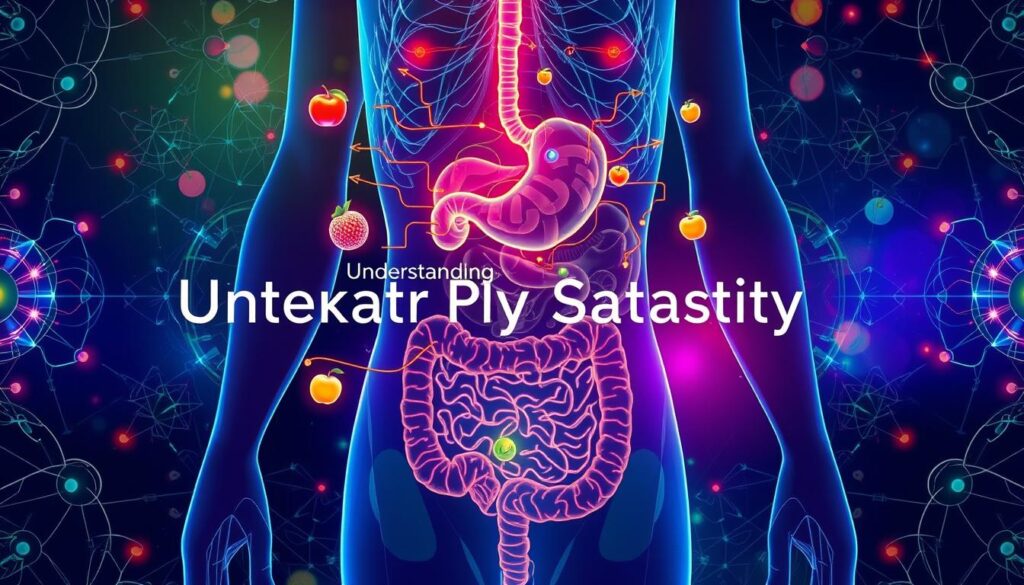
Knowing why you feel full early is key to finding the right treatment. It helps in creating a diet plan that works for you.
The Science Behind Feeling Full
Understanding our digestive system is key to feeling full. It controls our appetite and satiety. Any imbalance can harm our gut health.
Studies show that the brain, like the hypothalamus and hindbrain, plays a big role. They help us feel hungry or full. This affects our body weight.
Our gut health is tied to our overall health. An imbalance in gut bacteria can cause digestive issues. Hormones like ghrelin and CCK help manage our hunger and fullness.
CCK, for example, is released when we eat fat and protein. It slows down digestion and makes us feel fuller.
To grasp how we feel full, we must look at our digestive system, hormones, and brain. Knowing what affects our satiety can help us keep our gut and digestive system healthy. This leads to better health and happiness.
Common Causes of Early Satiety
Exploring satiety and diet, I found many reasons for early satiety. It’s key to understand these causes. Conditions like gastroparesis, peptic ulcers, and GERD can make you feel full or bloated.
About 50% of those with gastroparesis have diabetes. Constipation affects 20% of people worldwide, causing fullness. Up to 25% with acid reflux feel early satiety. A thorough check can find the cause and help treat it.
Important factors for early satiety include:
- Gastroparesis, which affects food retention in the stomach
- Peptic ulcers, which can cause stomach pain and bloating
- GERD, which can lead to acid reflux and discomfort
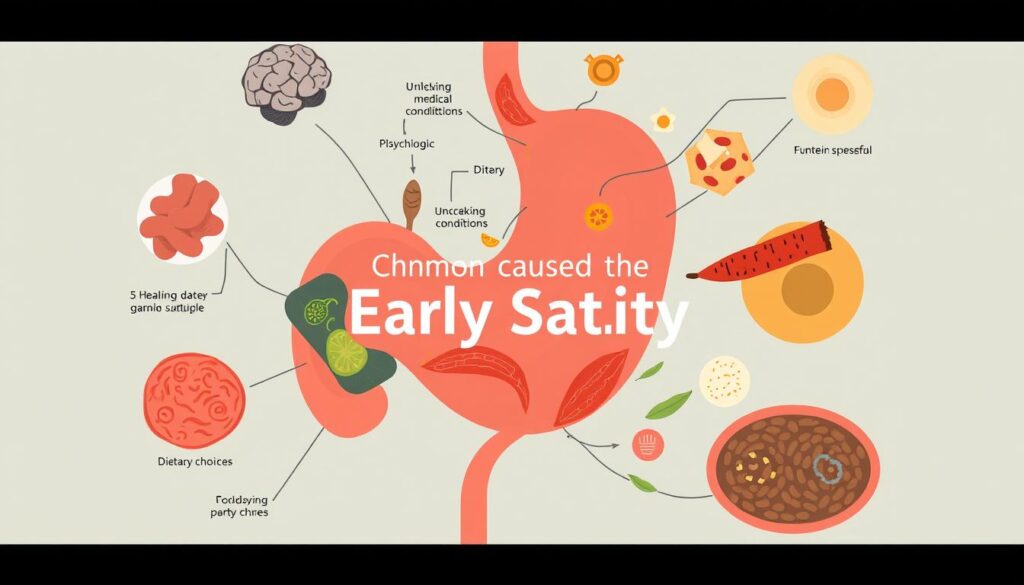
Knowing the causes of satiety helps manage symptoms and improve health. A detailed investigation is essential. It helps find the root cause and plan effective treatments.
Medical Conditions That May Trigger Quick Fullness
Exploring satiety solutions, I found that some medical conditions cause quick fullness. These conditions can affect how we feel full, making it key to understand them. Digestive issues, hormonal imbalances, and other health problems are common culprits.
Gastroparesis, where the stomach empties slowly, can make you feel full fast. Peptic ulcers and GERD also lead to early fullness. Knowing these conditions helps us find ways to manage them and improve our health.
- Early satiety often happens in people with gastroparesis, a condition where the stomach empties slowly.
- Research shows gastroparesis is more common in women than men.
- Feeling full early can cause unintentional weight loss, less energy, and even nutritional problems.
| Medical Condition | Description | Satiety Trigger |
|---|---|---|
| Gastroparesis | Delayed stomach emptying | Early satiety |
| Peptic Ulcers | Stomach ulcers | Quick fullness |
| GERD | Gastroesophageal reflux disease | Early satiety |
By understanding the medical conditions behind satiety, we can find better ways to manage them. This improves our health and overall well-being.
Recognizing the Warning Signs
Exploring early satiety, it’s key to spot warning signs early. Satiety warning signs like nausea, vomiting, and bloating are important. They help find the root cause of early satiety.
Research shows early satiety hits women more than men. Diabetes often causes gastroparesis, leading to early satiety.
Key fullness factors include hormonal imbalances and digestive disorders. For example, IBS can cause early satiety. Hormones like leptin and cholecystokinin also play a part in feeling full.
Knowing the warning signs of early satiety is vital. They might signal a medical issue. Common signs include:
- Recurring nausea and vomiting
- Bloating and abdominal discomfort
- Early feeling of fullness after eating
- Weight loss and fatigue
Spotting these signs and understanding fullness factors and satiety mechanisms is the first step. It helps in seeking medical help and finding a treatment plan.
When Should I See a Doctor?
If you’re feeling full too quickly or have trouble eating, see a doctor. Getting a proper diagnosis is key. It helps find the cause and plan the right treatment.
Your doctor will want to know about your symptoms. They’ll ask when they started and how long they last. They might also do a physical check and some tests to find any health issues.
Red Flag Symptoms
Some symptoms mean you should see a doctor fast. These include severe stomach pain, vomiting, and trouble swallowing. If you have these, get help right away.
Preparing for Your Medical Visit
Before your visit, write down your symptoms. Note when they happen and how long they last. Also, ask your doctor questions. This includes what to expect and treatment options.
By getting medical help and a proper diagnosis, you’re on the right path. You’ll get a treatment plan that improves your health and well-being.
| Symptom | Description |
|---|---|
| Severe abdominal pain | Persistent and severe pain in the abdominal area |
| Vomiting | Forceful expulsion of stomach contents |
| Difficulty swallowing | Difficulty or pain when swallowing food or liquids |
Treatment Options and Solutions
Managing early satiety is key to feeling better and living well. Satiety treatment is important for this. Studies show that diet changes, lifestyle tweaks, and natural remedies help a lot. For example, eating small meals often can help your stomach empty faster. Also, cutting down on fiber and avoiding foods that cause gas can make you feel less full.
Some important satiety solutions include:
- Dietary adjustments, such as reducing fiber and avoiding gas-causing foods
- Lifestyle changes, such as managing stress and getting regular exercise
- Natural remedies, such as ginger and peppermint oil, which can help alleviate symptoms
It’s vital to get help from a healthcare expert to make a plan that’s just right for you. This is because everyone’s reasons for feeling full early are different. By using these satiety solutions every day, you can manage your symptoms better and keep your digestive system healthy.

By tackling satiety management in a full way, you can lessen your symptoms and enjoy life more. Remember, what works for one person might not work for another. With the right satiety solutions and support, you can find relief and live a happier, healthier life.
| Treatment Options | Benefits |
|---|---|
| Dietary modifications | Improved gastric emptying, reduced symptoms |
| Lifestyle changes | Reduced stress, improved overall health |
| Natural remedies | Alleviation of symptoms, improved digestive health |
Dietary Modifications That Can Help
Exploring dietary changes shows that smart food choices can boost our satiety. A well-thought-out satiety diet can ease early satiety symptoms. It’s key to grasp how nutrition and satiety affect our health. By choosing the right foods, we can feel fuller and eat less.
Several strategies can aid in dietary modifications. Foods high in protein, like lean meats and eggs, keep us full longer. Foods rich in fiber, such as fruits and whole grains, also increase satiety. Here are some filling foods:
- Oatmeal with fruit and nuts
- Greek yogurt with berries and honey
- Grilled chicken with roasted vegetables
- Legumes, such as lentils and chickpeas, in soups and stews
By adding these dietary modifications and more filling foods, we manage our satiety better. A balanced diet with whole foods links nutrition and satiety to better health. Exploring satiety diet and dietary modifications shows that smart eating choices are key to health.
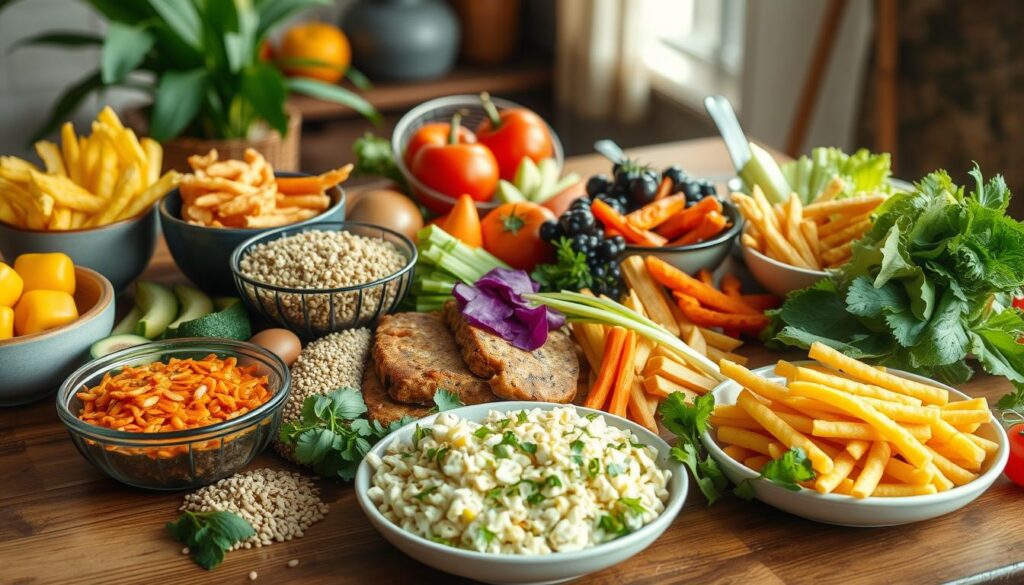
Understanding nutrition and satiety and making smart diet choices is our first step to health. With the right dietary modifications, we can feel full, eat less, and improve our well-being.
| Foods to Include | Foods to Avoid |
|---|---|
| Lean proteins, such as chicken and fish | Processed meats, such as hot dogs and sausages |
| Whole grains, such as brown rice and quinoa | Refined grains, such as white bread and sugary snacks |
| Legumes, such as lentils and chickpeas | Fried foods, such as french fries and fried chicken |
Lifestyle Changes for Better Digestion
As I explore ways to manage early satiety, I’ve learned that lifestyle changes are key to better digestive health. Simple changes in my daily life can help ease early satiety symptoms. This leads to a healthier lifestyle.
Studies show that managing stress and exercising regularly can help with early satiety. By adding these habits to my routine, I can boost my digestive health. This reduces the feeling of being too full. Here are some lifestyle changes that can help:
- Practicing stress-reducing techniques, such as meditation or deep breathing
- Engaging in regular physical activity, such as walking or yoga
- Eating a balanced diet that includes plenty of fruits, vegetables, and whole grains
By adopting these lifestyle changes, I can enhance my digestive health and lessen early satiety symptoms. It’s about achieving a balance and choosing habits that support my well-being. 
Natural Remedies and Supplements
Managing early satiety can be helped by natural remedies and supplements. Many people find relief by adding natural remedies to their daily routine. Some research shows that certain digestive supplements can control appetite and increase satiety.
Here are some natural remedies that might help with early satiety:
- Ginger, known for its anti-inflammatory effects, may help manage appetite.
- Peppermint can ease digestive issues and reduce early satiety symptoms.
- Probiotics support digestive health and promote digestive supplements.
Some people also use satiety supplements to manage early satiety. These supplements often include protein, fiber, and healthy fats. They help you feel full longer. But, always talk to a healthcare professional before starting any new supplements, including digestive supplements or satiety supplements.

Adding natural remedies and digestive supplements to your routine can help with early satiety. It can also improve your digestive health. Always check with a healthcare professional before starting any new supplements, including satiety supplements, to make sure they’re safe and work for you.
| Supplement | Benefits |
|---|---|
| Ginger | Anti-inflammatory properties, may help regulate appetite |
| Peppermint | May help ease digestive discomfort, reduce symptoms of early satiety |
| Probiotics | Supports digestive health, promotes digestive supplements |
Conclusion
We’ve looked into early satiety and found many causes, like digestive issues and hormonal problems. Knowing these causes helps us find ways to manage early satiety. This way, we can enjoy eating again.
It’s important to talk to your doctor to figure out why you feel full too soon. They can help you change your diet and lifestyle. You might also need special medicines or supplements to help.
Starting to feel better with food takes time and effort. But, the benefits to your health and happiness are huge. By following our guide and tips, you can enjoy meals more and live a better life.
FAQ
What is early satiety?
Early satiety is when you feel full after eating a little food. It can cause nutritional problems and health issues.
How does early satiety differ from normal fullness?
Normal fullness comes after eating a meal. Early satiety is feeling full after eating a small amount. It can also cause nausea, vomiting, and bloating.
What are the common causes of early satiety?
Many things can cause early satiety, like digestive problems, hormonal issues, and not getting enough nutrients. Knowing the cause helps find the right treatment.
How does the digestive system regulate satiety?
The digestive system is key in feeling full. It works with the brain and hormones to control how full we feel.
What medical conditions can trigger quick fullness?
Conditions like gastroparesis, peptic ulcers, and GERD can make you feel full quickly. Knowing these can help find the right treatment.
What are the warning signs of early satiety?
Signs like nausea, vomiting, and bloating are early satiety warnings. Spotting these helps find the cause and treat it.
When should I see a doctor for early satiety?
See a doctor if early satiety symptoms don’t go away or get worse. Being ready for your visit and knowing what to expect is important.
What treatment options are available for early satiety?
Treatments include changing your diet, lifestyle, and using natural remedies. Knowing these options helps create a good plan.
How can dietary modifications help with early satiety?
Changing your diet, like planning meals and choosing foods wisely, can help with early satiety symptoms.
What lifestyle changes can help with early satiety?
Changes like managing stress and exercising regularly can help with early satiety. Understanding how lifestyle affects it is key to treatment.
Can natural remedies and supplements help with early satiety?
Yes, natural remedies and supplements can help with early satiety symptoms. It’s important to know their role and ensure safety.
Source Links
- Early satiety: What it is, symptoms, causes, and treatments
- Early Satiety: Why Do I Feel So Full After a Few Bites?
- Early Satiety: Symptoms, Causes, Diagnosis, and Treatment
- Feeling Full After Eating A Meal? | Sydney Gut Clinic
- Functional dyspepsia – Symptoms and causes
- What Is Early Satiety? – Consensus: AI Search Engine for Research
- Feeling Hungry After Eating: Why It Happens and What to Do
- Why you feel full after eating
- The Science of Appetite: Understanding Hunger & Fullness – OVYVO Medical Weight Loss
- Researchers identify brain region associated with feeling full after eating
- Early Satiety: Reasons You Feel Full After Just A Few Bites
- Early Satiety and Postprandial Fullness in Gastroparesis Correlate with Gastroparesis Severity, Gastric Emptying, and Water Load Testing: The NIDDK Gastroparesis Clinical Research Consortium (GpCRC)*
- Symptoms & Causes of Dumping Syndrome – NIDDK
- Satiety – early – UF Health
- Everything You Should Know About Early Satiety
- How To Tell When You’re Full (Before You Feel Stuffed)
- Why am I getting full so fast?
- Gastrointestinal Symptoms to Talk to Your Doctor About
- Hunger and Fullness Awareness
- Functional Dyspepsia: Symptoms, Diet, Treatment & Living With
- Eating for Life: Designing Foods for Appetite Control
- 14 Foods That Are Incredibly Filling
- The 11 Best Ways to Improve Your Digestion Naturally
- Stomach feels full: Causes and treatment for tight stomach
- 7 signs and symptoms you shouldn’t ignore
- 13 Ways to Help Curb Appetite, According to Science
- Mya Care
- Insights into the constellating drivers of satiety impacting dietary patterns and lifestyle


