


Gardens that offer fresh produce all year are becoming more popular1. This trend shows the growing interest in seasonal vegetable gardening. By using smart strategies, gardeners can enjoy a steady supply of fresh veggies. This is key to making the most of your garden.
Seasonal gardening requires careful planning to keep your garden full of fresh food. Techniques like succession planting and companion planting help. These methods create a garden that’s full of life and variety all year long.
Key Takeaways
- Seasonal vegetable gardening can provide a continuous supply of fresh produce all year round.
- Year-round gardening and vegetable garden planning are essential for maximizing harvests.
- Gardens that provide harvestable or visually interesting plants year-round have seen increased popularity among gardeners in recent years1.
- Techniques such as succession planting and companion planting can help create a thriving and diverse garden.
- Maximizing harvest is a key aspect of seasonal vegetable gardening and requires careful planning and execution.
- Understanding the basics of year-round vegetable gardening is essential for a successful garden.
- Seasonal vegetable gardening can be adapted to different regions and climates, making it a versatile and rewarding practice.
Understanding the Basics of Year-Round Vegetable Gardening
Year-round vegetable gardening brings many benefits. It lets you harvest more and grow a wider variety of crops. By learning about seasonal crops and garden care, you can have a garden that gives you fresh veggies all year2. A good gardening calendar is key to keep your garden healthy and productive3.
To start, learn about the different growing zones in the U.S. and the tools you’ll need all year. Knowing your soil’s pH and organic matter is also important for growing great veggies3. By following these tips and keeping up with new garden advice, you can have a garden full of fresh, seasonal crops all year.
Important things for year-round gardening include crop rotation, soil prep, and protecting your garden from the weather. By picking the right plants for each season and using a good gardening calendar, you can fight pests and diseases. This means you won’t need to use harmful chemicals2. With the right knowledge and tools, anyone can have a thriving garden all year, enjoying fresh, homegrown veggies.
Creating Your Seasonal Vegetable Garden Plan
To get the most from your garden, you need a good planting guide. It’s key to know when each vegetable is ready to pick. This includes quick-growing, all-season, heat-loving, and one-time harvests. With this knowledge, you can grow a garden that keeps giving you fresh veggies all year.
Start with simple crops like herbs, butternut squash, and green beans4. They’re great for beginners and boost your gardening confidence. Also, try succession planting and interplanting to make your harvest last longer5.
When planning, think about how long each crop takes to grow and your local growing season5. This helps you plan when to plant. By following these year-round harvest tips and a detailed planting guide, you’ll have a garden full of fresh produce all year.
Spring Garden Preparation and Planting
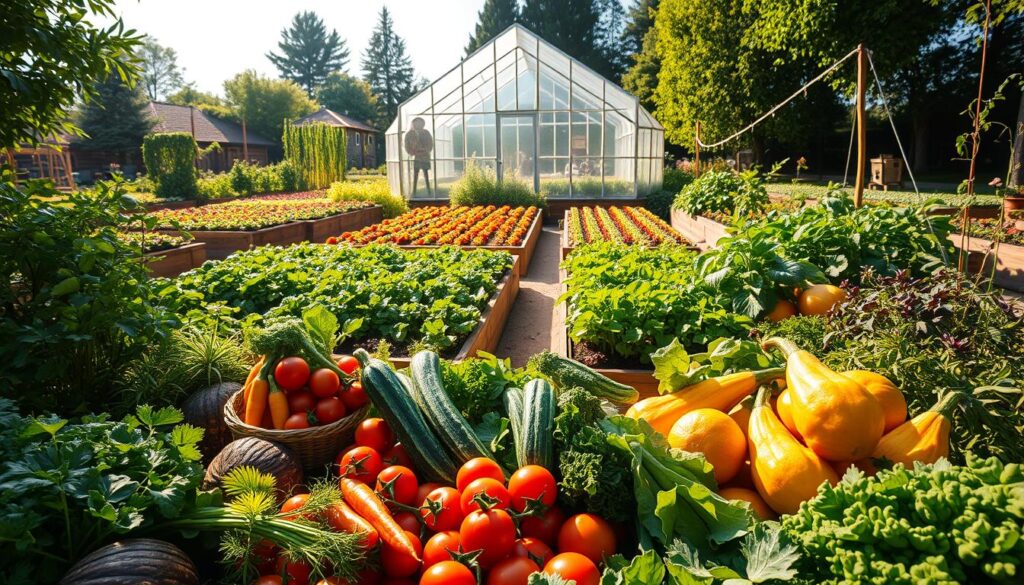
As the last frost date gets closer, it’s time to get your garden ready for the new season. Maximizing garden yield means planning well, including soil prep, fertilizing, and controlling pests. Experts say loosening soil to 12 to 14 inches deep is best6. Also, make sure to restock on fertilizer and soil additives before planting for a great harvest6.
Choosing the right veggies for spring is key. Onions, potatoes, artichokes, and some lettuces are great for early planting6. Mulching works best when weeds haven’t started growing, showing the importance of timing6. Testing your soil is a good idea to know its pH and nutrient levels6.
For organic vegetable gardening, using composted mulch is a game-changer. It improves soil texture, nutrient levels, and keeps moisture in6. Pruning plants before they bloom can also boost growth and flowers6. By using these strategies, gardeners can have a lush and productive spring garden, ready for a year of growth.
In the Southern Hemisphere, popular spring crops include lettuce, spinach, radishes, and peas. These can be planted from September to November7. By picking the right crops and preparing your garden well, you can enjoy a rich harvest all spring long.
Summer Growing Strategies for Maximum Yield
In summer, gardeners can boost their harvest with smart techniques. Succession planting and seasonal crop rotation8 are key. These methods mean planting new crops right after picking the old ones. This keeps the garden full of fresh food.
Using row covers and cold frames helps too9. These tools extend the growing season for summer veggies. This way, gardeners can enjoy a longer harvest season.
Choosing the right plants for each season is important9. Gardeners should also protect their garden from harsh weather. Raised beds help with dense planting, and keeping soil pH between 6.0 and 7.0 is best9.
These steps help create a garden that’s both sustainable and productive. It will give a rich harvest all summer long.
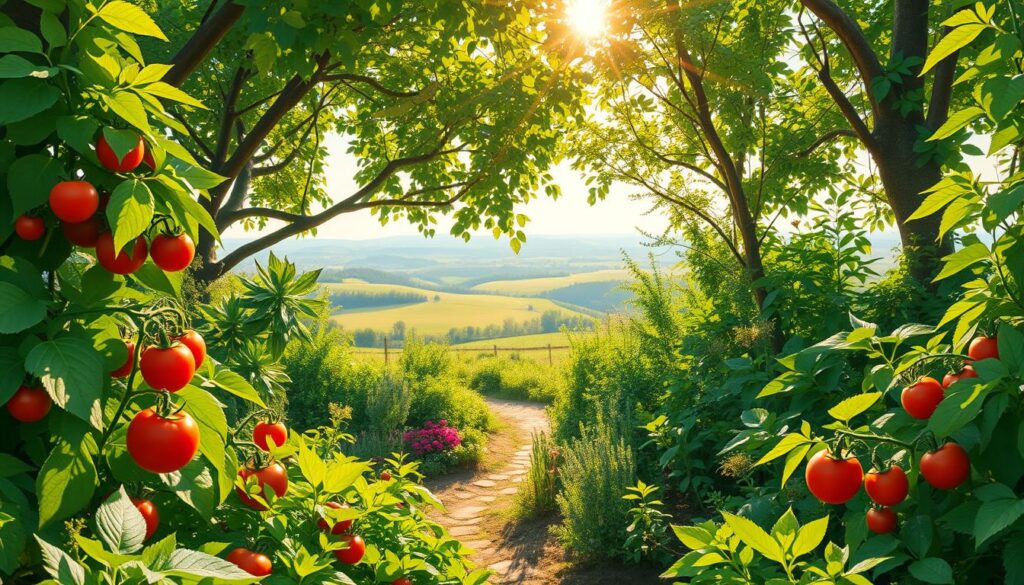
Some summer crops, like cucumbers and peppers, should be picked often10. This keeps them growing. Tomatoes and eggplants, on the other hand, should be picked when ripe for the best taste and texture10.
By using these summer strategies and crop rotation, gardeners can have a vibrant and fruitful garden all season.
How to Maximize Your Harvest Year-Round Through Seasonal Vegetable Gardening
To get fresh veggies all year, you need a good seasonal vegetable gardening plan. Think about the weather, soil, and pests when you plan your garden. This way, you can grow food all year round11.
Succession planting is key for year-round gardening. It means planting small seeds often to keep veggies coming. You can also pair plants to help them grow better and fight off pests12. Using vertical gardening can also make the most of small spaces13.
Some top ways to get more from your garden include:
- Succession planting for a steady veggie supply
- Companion planting to boost growth and fight pests
- Vertical gardening to use space well
Using these methods in your seasonal vegetable gardening plan can make your garden thrive. Just remember to plan well, considering the weather, soil, and pests. This will help your garden succeed for a long time11.
Fall Gardening: Extended Season Techniques
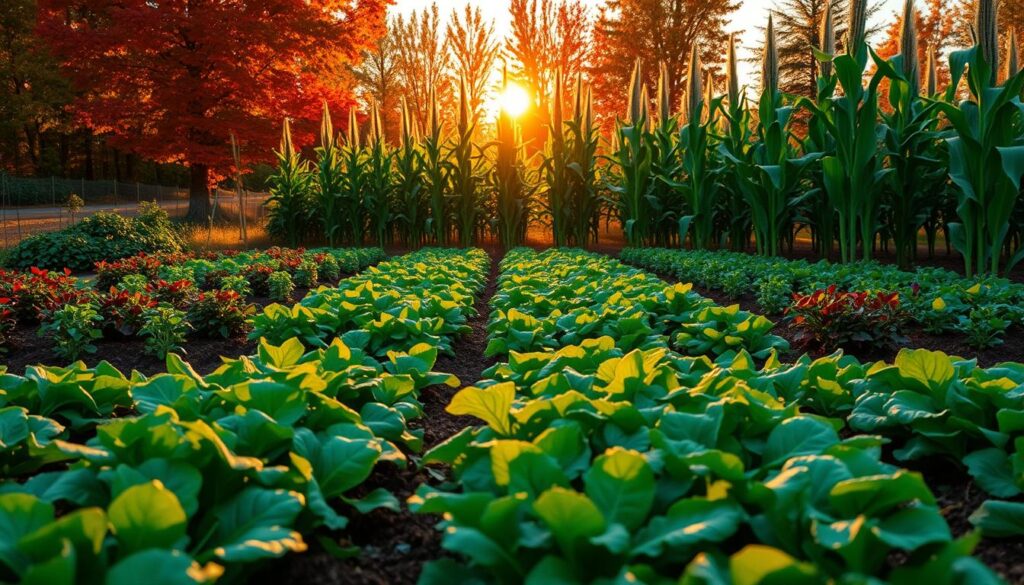
Fall gardening lets you grow vegetables longer and keep getting fresh ones. You can use row covers, low tunnels, and cold frames to protect your crops from frost. This way, you can grow more vegetables for a longer time14.
Vegetables like carrots, beets, and kale are great for fall. They taste sweeter if you leave them in the ground. You can also plant cool-season crops like mustards, radishes, and brassicas in the fall. They grow fast, ready to harvest in 20-30 days15.
Some veggies, like lettuce and spinach, are ready in 50-60 days. They’re perfect for fall gardening. Plant them in late summer or early fall. This way, you can enjoy fresh produce all year15.
Here are some tips for fall gardening:
* Plant cold-hardy vegetables like carrots, beets, and kale
* Use row covers, low tunnels, and cold frames to extend the growing season
* Plant cool-season crops like mustards, radishes, and brassicas
* Use a gardening calendar and planting guide to plan and track harvests
By following these tips, you can have a big harvest of fresh vegetables in the fall16.
Winter Garden Management
Managing your winter garden is key to a successful garden all year. It’s important to pick the right plants for each season and keep your garden safe from harsh weather17. You can do this by mulching, covering plants, and protecting them from frost.
Rick Stone, a seasoned gardener, has learned how to grow more in colder areas18. He uses row covers to plant hardy veggies like carrots and kale early18. Row covers also help extend the growing season by about three months18.
Other methods include using cold frames, greenhouses, and polytunnels to keep plants warm17. These structures help grow more seasonal crops by keeping frost away17. With these tips, you can have a winter garden that keeps giving you fresh veggies.
Hardy winter veggies include parsnip, Jerusalem artichokes, and winter carrots17. You can grow them by sowing seeds in cold soil and insulating the soil from frost17. By using these methods, you can enjoy a rich harvest from your winter garden.
Essential Maintenance for Year-Round Success
For a garden to thrive all year, keeping it well-maintained is key. This means using pest management strategies, stopping diseases, and having good irrigation systems. These steps help gardeners grow a garden that’s always full of fresh veggies, all while being kind to the planet19.
In organic vegetable gardening, knowing when to harvest is important. This lets gardeners plan a garden that always has fresh veggies. For instance, lettuce and spinach do well in winter because they don’t bolt as much19.
To keep a garden healthy, think about the climate, soil, and pests when planning. Succession planting, crop rotation, and companion planting are good ways to do this. These methods help gardeners avoid using harmful chemicals, supporting organic vegetable gardening and sustainable gardening practices20.
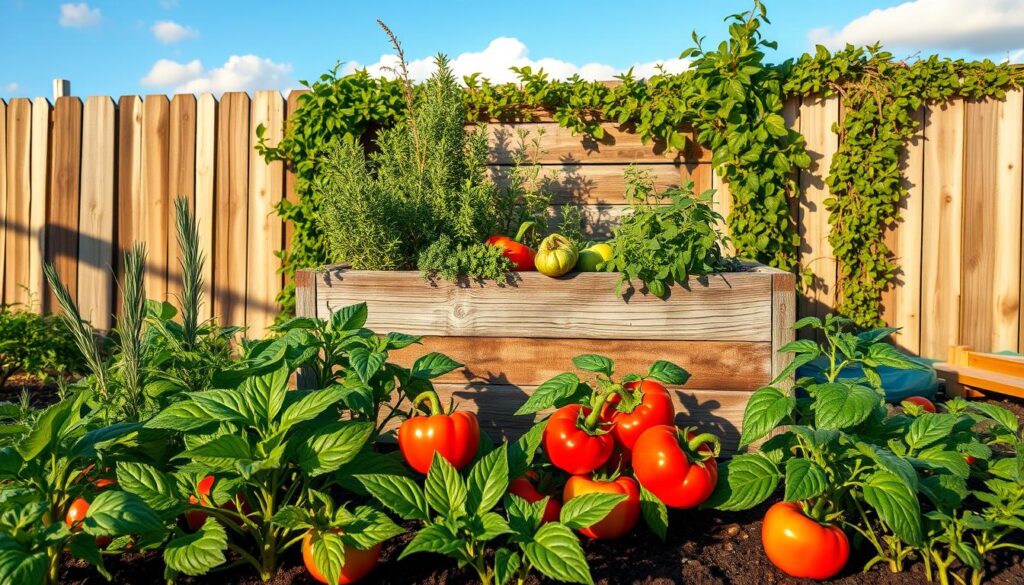
Using tools like soil blocking instead of plastic trays can also help. This improves seedling health and transplant success19. By using these methods, gardeners can grow a garden that’s always full of fresh veggies. They also support sustainable gardening practices and garden harvesting techniques21.
Sustainable Practices for Long-Term Garden Health
Keeping your garden healthy for the long term means using sustainable practices. One key method is seasonal crop rotation. This means changing what you grow to keep the soil rich. It cuts down on the need for chemical fertilizers and keeps the soil healthy22. Also, growing veggies when they’re in season cuts down on the carbon footprint from long-distance food transport22.
Using garden maintenance tips like organic mulch and composting is also vital. These methods help reduce waste, save water, and improve soil health23. For instance, composting turns food waste into nutrient-rich soil, reducing methane emissions that harm the planet23. Plus, using rain barrels can save water and reduce runoff, thanks to programs like Philadelphia’s Rain Check Program23.
Here are some benefits of sustainable gardening practices:
- Improved soil health through seasonal crop rotation and organic fertilization methods
- Reduced carbon footprint through growing vegetables seasonally and reducing food transportation
- Conserved water through efficient irrigation systems and rainwater harvesting
- Reduced waste through composting and recycling
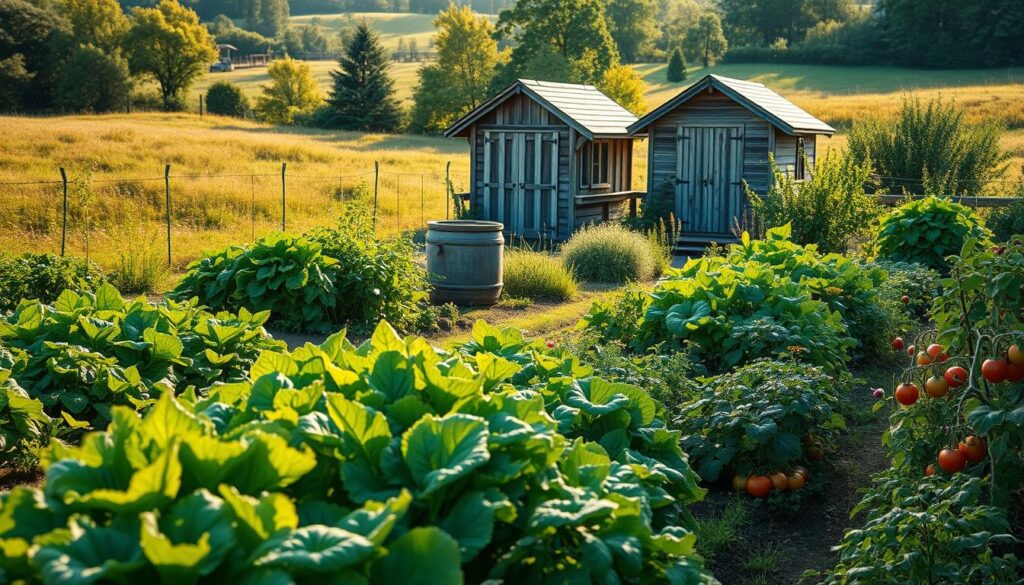
By using these sustainable practices, gardeners can make their gardens healthy and sustainable24. For example, cover crops can make the soil better by saving water during the growing season24. Vermicomposting also helps by turning food waste into compost, which reduces greenhouse gas emissions24.
| Sustainable Practice | Benefits |
|---|---|
| Seasonal Crop Rotation | Improved soil health, reduced synthetic fertilizer use |
| Organic Mulch and Composting | Reduced waste, conserved water, promoted soil health |
| Rainwater Harvesting | Conserved water, reduced runoff |
Harvesting and Storage Tips for Different Seasons
Timing is key when it comes to garden harvesting techniques. Harvesting in cooler parts of the day keeps food fresh. For example, leafy greens are best picked in the early morning25. They should then be dunked in cold water for 5-10 minutes to stay crisp25.
Leafy greens need a cool spot with high humidity to last longer. This keeps them fresh for a longer time25.
To maximize garden yield, knowing the best storage for each crop is important. Zucchini can last five months in cold, moist conditions without its top26. Basil stays fresh for five days at room temperature, kept in water26.
Choosing the right plants for each season helps. Protecting the garden from harsh weather ensures a steady supply of fresh veggies.
Here are some more tips for harvesting and storing different crops:
- Store root crops like carrots and beets in a cool, dark spot with high humidity25.
- Keep leafy greens fresh by storing them in a sealed container with a damp paper towel25.
- Store fruits like tomatoes and cucumbers at room temperature, away from direct sunlight26.
By following these tips and using the right garden harvesting techniques, gardeners can enjoy a bountiful harvest. Remember to plan carefully and keep track of planting dates, germination rates, and harvest yields. This ensures a successful year-round garden25.
Conclusion: Building Your Year-Round Garden Legacy
Starting a year-round vegetable garden is a rewarding journey27. Use greenhouses, hydroponics, and smart planting to grow food all year27. Cold-hardy crops, companion planting, and succession planting keep your garden full of fresh food27.
Adding efficient watering, pest control, and crop rotation makes your garden strong27. This way, your garden feeds your family and helps the environment27.
Think about your local climate when planning your garden28. Use the right planting times, soil pH, and covers to grow longer28. Choose heritage varieties for better resistance and add flowers for bug friends28.
Indoor gardening needs special care for warm and leafy plants29. Keep humidity, light, and air right for healthy plants29. Mix outdoor and indoor gardening for a thriving, self-sustaining garden29.
Enjoy the journey, learn, and watch your garden grow27. Happy gardening!
FAQ
What are the different growing zones in the United States?
Knowing the growing zones in the U.S. is key for gardening all year. The USDA Hardiness Zone Map splits the country into 13 zones. These zones are based on the coldest winter temperatures, helping gardeners pick the right plants for their area.
What are the essential tools and equipment needed for year-round vegetable gardening?
For a year-round garden, you’ll need some basic tools. This includes garden beds, soil amendments, and irrigation systems. You’ll also need hand tools, season extenders like row covers, and ways to store your harvest.
What are the basic soil requirements for a productive year-round vegetable garden?
Good soil is the base of a successful garden. You should keep your soil’s pH, organic matter, and nutrients balanced. Regular soil tests and amendments are important for a healthy garden.
How can I create a seasonal vegetable garden plan to maximize harvests all year round?
A good plan is key for gardening all year. Think about how plants grow, their maturity times, and how to plant them in succession. This way, you’ll always have fresh produce.
What are some effective frost protection techniques for spring gardening?
Protecting spring crops from frost is vital. Use row covers, cold frames, and other methods to keep plants warm. This lets you grow early and late spring crops.
What are some key summer growing strategies for maximum yield?
In summer, use companion planting, crop rotation, and manage your water well. These strategies improve growing conditions, fight pests, and ensure a big harvest.
How can I use succession planting and other techniques to maximize harvests year-round?
Succession planting, companion planting, and using space wisely are great for year-round gardening. They help extend the growing season and keep your garden full of fresh produce.
What are some effective fall gardening techniques for an extended season?
Fall gardening can extend your growing season. Use cold-hardy vegetables and season extenders like row covers. This protects plants from frost and keeps you harvesting into fall.
How do I properly manage a garden during the winter months?
Winter garden management is about mulching, covering plants, and frost protection. These steps keep your garden healthy and productive even in cold weather.
What are some essential maintenance practices for a successful year-round garden?
A year-round garden needs pest control, disease prevention, and good irrigation. These practices keep your garden healthy and productive all year.
How can I incorporate sustainable practices into my year-round garden?
Sustainable gardening is about crop rotation and organic fertilizers. These methods keep your soil healthy, reduce pests, and support a green growing system.
What are some best practices for harvesting and storing produce from a year-round garden?
Harvesting and storing produce right is key for keeping it fresh. Learn when to pick, how to store, and preservation methods. This ensures a steady supply of fresh, healthy food.
Source Links
- Year-Round Harvest Gardens: Growing Food in Every Season | Yoderbilt Greenhouses
- Year-Round Gardening: It’s Easier Than You Think
- Vegetable Gardening | MU Extension
- Plan a Year-Round Harvest for Your Garden | The Beginner’s Garden
- How to Plan a Vegetable Garden – Fine Gardening
- How to Get Your Garden Ready for Spring
- Seasonal Planting: Maximizing Your Vegetable Garden Year-Round | Starke Ayres-Starke Ayres | Starke Ayres
- 6 Proven Strategies for Year-round Harvests
- A Vegetable Garden Planner for High Yields & Healthy Plants
- Summer Vegetables Garden Picking Guide | Bonnie Plants
- How to Plan Your Best Garden & Harvest for a Year’s Worth of Food
- How to Create a Year-Round Vegetable Garden
- Year-Round Harvest Gardens: Growing Food in Every Season | Yoderbilt Greenhouses
- Learn to Extend the Growing Season
- Fall Gardening – Oklahoma State University
- Preparing Your Vegetable Garden for Fall – Fine Gardening
- Growing Vegetables In Winter: A Beginner’s Guide
- Gardening in Winter (Cold-Weather Growing Methods)
- Winter Vegetable Gardening: A Complete Guide to Four-Season Growing | French Creek Farmhouse
- How to Extend Your Garden’s Growing Season Year-Round — Sowing in Suburbia
- How to Plan a Vegetable Garden – Fine Gardening
- Seasonal Gardening for Year-Round Food Production
- Seven Steps to Sustainable Gardening
- 17 tasks for a regenerative vegetable garden
- 12 Seasonal Crop Planning Tips for Continuous Harvest Year-Round – FarmstandApp
- Harvesting and storing home garden vegetables
- Eternal Harvest: Cultivating Year-Round Vegetables in Your Greenhouse
- 12 Seasonal Crop Planning Tips For Maximum Diversity That Old-Timers Swear By – FarmstandApp
- Tips for Growing an Indoor Vegetable Garden for Year Round Greens


